Taste Can Be Templated. Judgement Can't.

Taste has an ad campaign now. Fitting, since the pitch is that you can't buy it.
There’s a flood of carousels across social right now, all telling you taste is the last human advantage. There’s truth in that. Just not the whole of it. In the age of the template, taste can be selected off a shelf too. A curated grid, a considered palette, a knowing reference. All learnable. All copyable. Even said carousels are starting to look the same, which rather proves the point. What can’t be copied is judgement.
Taste is the vehicle. Judgement is the instinct that steers it.
I’ll admit something here. When affordable design tools first flooded the market, I felt the ground shift, and not in a way I’m proud of. Some of that reaction dressed itself up as concern for standards. Most of it was a business built on gatekeeping, feeling the gate come off its hinges. Turns out I wasn’t defending craft. I was defending the door. I’ve made peace with that since. Access isn’t the enemy. A world where more people get to make something and be seen doing it is a better one, not a worse one.
Which is why the story I keep coming back to isn’t a design story at all. In 2019, a seventeen-year-old released a meticulously crafted debut album, written and produced almost entirely by her and her brother in his bedroom studio, on a laptop, with none of the infrastructure the industry insisted a “proper” record required. The tools were democratised. What wasn’t democratised was the judgement it took to make something that accomplished without a studio system standing over it.
That’s the real cost of the template industry, and it isn’t the output, which often looks fine. It’s the flattening. Every brief gets answered from the same shelf, so every brand ends up reaching for something tasteful off the beige brand wardrobe, instead of building something unmistakably itself. That’s not a failure of taste. It’s an absence of judgement, and it’s structural, not personal. Nobody reaching for a template set out to flatten anything.
This also reframes the AI conversation properly. Execution is abundant now. Judgement isn’t picking the prettiest of twenty generations. It’s understanding why one answer belongs and another doesn’t, given the audience, the budget, the story, the moment. A tool can offer you options. It can’t tell you which one is right, because right depends on a breadth of instinct no template holds.
The seasoned creative doesn’t chase better taste. They build wider judgement, and know when to set their own preferences aside.
Taste tells you what you like. Judgement tells you what’s right. Only one of them scales.
There’s a flood of carousels selling taste. Someone should tell them it’s already been templated.
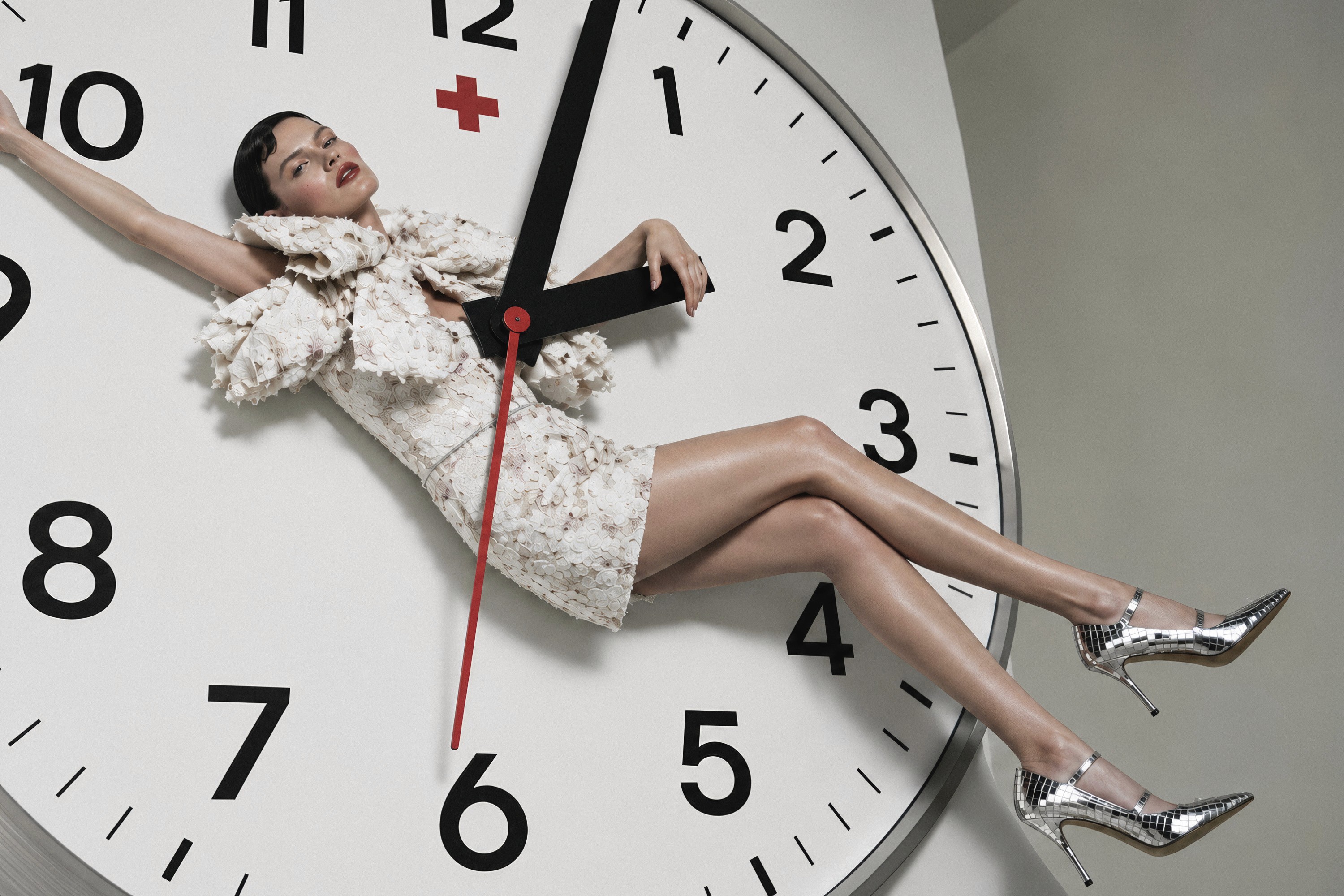
Written in collaboration with Claude. Hero image generated with Midjourney 8.2. Human direction and judgement throughout.
More pieces from Substack.


Sign up to subscribe.
Independent thinking on brand, creativity, and the ideas shaping both.
Connect.