Luxury Moves First. It Has For a Century.
What luxury brands understand about AI that everyone else is still arguing about.
There’s a debate happening across the luxury world right now.
Is AI ethical? Is it replacing photographers, stylists, models, hair and makeup artists? Should there be guidelines? Should there be a moratorium? The conversation is loud, earnest, and happening almost entirely in the middle of the market.
At the top end, they’ve already moved on.
This isn’t new behaviour. Luxury has always been the canary in the coalmine. Not because the houses are reckless, but because they have enough accumulated authority to absorb the risk of going first. That’s what a century of brand equity buys you. Not safety. Courage.
Alexey Brodovitch built the visual language of modern fashion by pushing every tool available to him. As art director of Harper’s Bazaar from 1934 to 1958, he shaped Irving Penn, defined Richard Avedon, and invented the grammar that fashion media still borrows from today. His instruction to photographers was famously simple: astonish me.
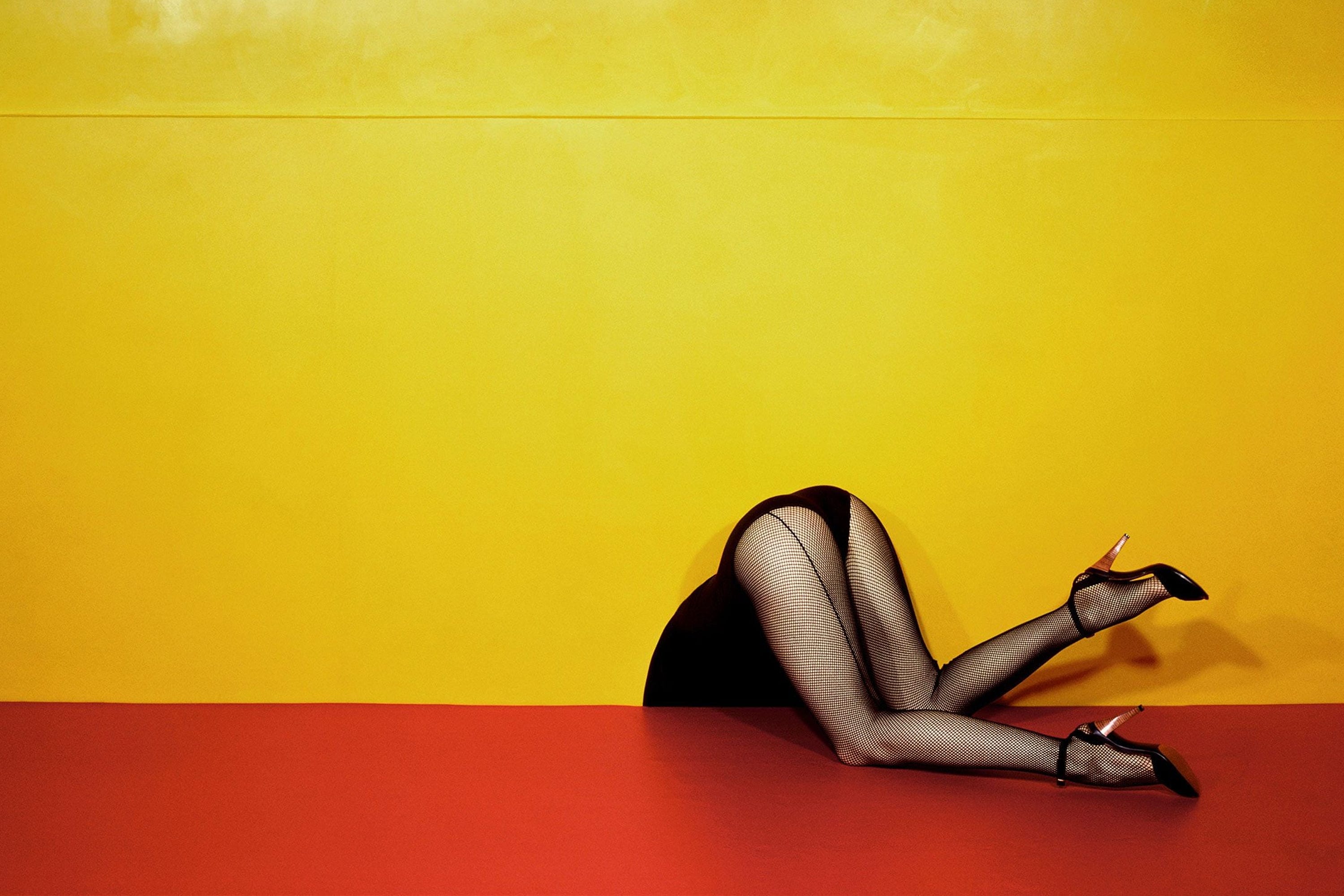
Irving Penn made a cigarette look like sculpture. Guy Bourdin made images that disturbed and transfixed in equal measure. And in more recent history, Warhol industrialised image-making entirely — turning mechanical reproduction into the point, not the problem. None of them waited for consensus. None of them apologised for the provocation.
AI is no different. It’s another tool in the toolkit.
The mistake most of the market is making is framing AI as a question of replacement. Replace the photographer. Replace the stylist. Replace the model. Replace the creative director. That framing reveals the insecurity. Because the houses leading this conversation aren’t replacing anything. They’re directing everything, with one more instrument available to them.
The human creative intelligence is still at the centre. The taste, the restraint, the point of view. AI doesn’t supply any of that. It accelerates the hands of people who already have it.
Walter Benjamin wrote about the aura of an artwork in 1935. The unique presence of an original. What gets lost in mechanical reproduction. Luxury has always traded on aura. The handstitched seam. The limited run. The things that take time and cannot be faked.
And yet here they are, using the most democratised image tool in history. The aura remains intact. Because the aura was never in the process. It was in the authority behind it.
There’s a strategic layer here too. Let’s be honest about it.
When Gucci released openly AI-generated imagery ahead of Milan Fashion Week, the reaction was immediate and entirely predictable. Critics called it lazy. Commenters questioned the craft. The internet did what it does.
And Gucci said nothing.
That silence was the strategy. The debate about the image became the campaign. The provocation is the distribution. And only a brand with enough confidence to offer no explanation and let the work stand can pull that off.
That is earned media as creative strategy. It has always worked this way at the top. Make something people need to talk about. Then let them.
The brands who will struggle with AI aren’t the ones using it too boldly. They’re the ones who don’t have enough of themselves to protect in the first place. No tool fixes that. No policy document either.
The rest of the market is still drafting the guidelines. Luxury is already three campaigns ahead.
Because the brief hasn’t changed since Brodovitch.
Astonish me.
Image credit. Guy Bourdin for Charles Jourdan, Spring 1979 Campaign | © The Guy Bourdin Estate, 2014
More pieces from Substack.


Sign up to subscribe.
Independent thinking on brand, creativity, and the ideas shaping both.
Connect.